杀马特
China publishes world’s first comprehensive dictionary of ancient bamboo and silk manuscripts_我的网站

一 | 4月5日至4月15日,是生姜种植的黄金期。10天里,绥中县小庄子镇很多地段呈现一派忙碌的景象:男工趟垄、铺管,女工放种、覆膜......开心地唠家常,丰收的热切展望,在勤劳的身影中穿梭,欣欣向荣的画卷逐渐铺陈开来。
丁铁力是小庄子镇海泉村村主任,也是绥中县铁力专业合作社负责人。2007年,开始种植、收购生姜。

二 | “小庄子镇很多地块地势稍高,土质肥沃,透气性好,地里有深眼井,适合种植生姜。
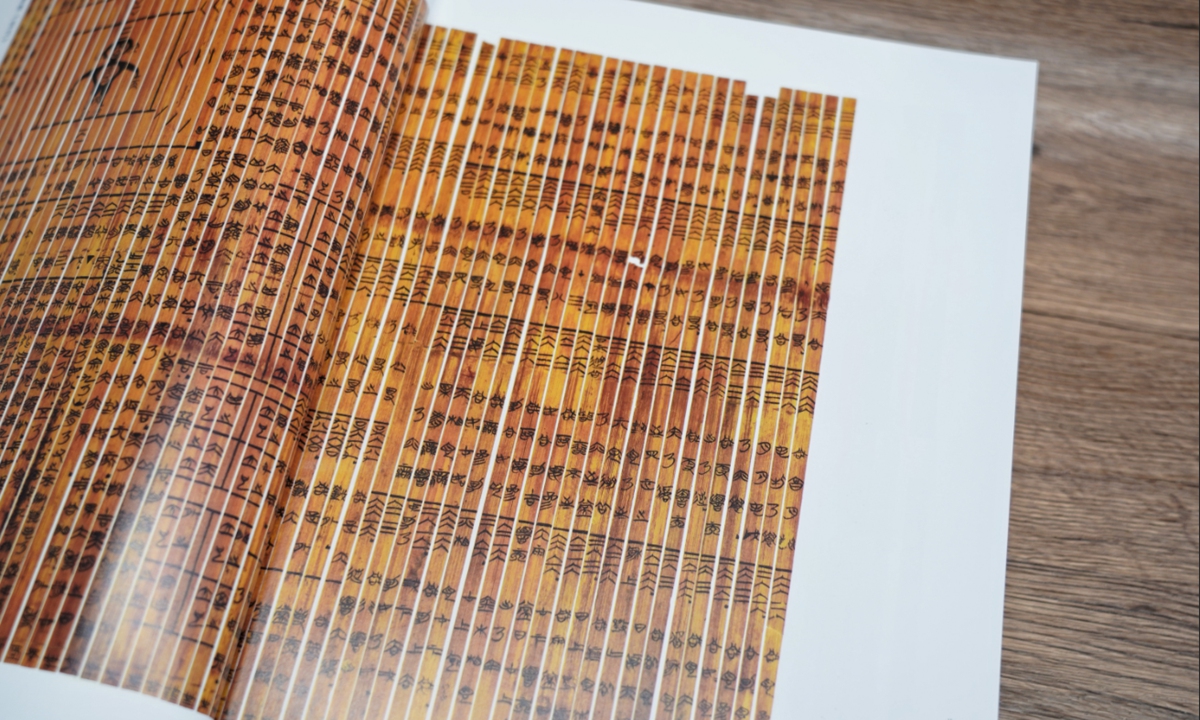
Photo: Courtesy of the Shanghai Lexicographical Publishing HouseChina has unveiled the world's first comprehensive reference dictionary for the study of ancient bamboo and silk manuscripts, a discipline that has grown from early 20th-century archaeological discoveries into an international field spanning archaeology, history, law and paleography. Experts said this publication has closed a century-old academic gap in systematic scholarship in one of East Asia's most vital ancient textual disciplines.
Published by the Shanghai Lexicographical Publishing House, the
Dictionary of Bamboo and Silk Manuscript Studies is the world's first large-scale, authoritative lexicon to fully systematize global research on China's ancient bamboo slips, wooden tablets and silk manuscripts, the publishing house told the Global Times on Monday.
"Before paper was widely adopted, bamboo and wooden slips were China's most crucial carrier of writing, bearing the inheritance of Chinese civilization for thousands of years," Feng Shengjun, chief editor of the dictionary and vice president of the Chinese Society for the Study of Ancient Writing, told the Global Times.
"Major excavations of bamboo and silk relics have always been groundbreaking events in academic circles. By sorting out and interpreting these precious unearthed documents in a standardized dictionary form, we make the historical development of Chinese civilization clearer and more complete," Feng added, underscoring the book's foundational academic and cultural value.
The dictionary contains more than 9,000 entries and over 600 color illustrations and images. Entries cover the theory of bamboo and silk manuscript studies, excavated texts, manuscript forms and institutions, scholars and works, and preservation and research.
Before paper became widespread, bamboo and wooden slips, along with silk fabrics, were the principal writing materials in China. Originating in the early 20th century with the discovery of Dunhuang bamboo relics, the field has evolved into an internationally recognized scholarly frontier. It integrates archaeology, ancient history, legal systems, paleography, document conservation and multiple other sectors, fueled by successive landmark discoveries including the Shanghai Museum bamboo texts, Tsinghua University bamboo slips, Yuelu Academy Qin Dynasty (221BC-206BC) manuscripts and the famed Mawangdui silk documents, said the publishing house.
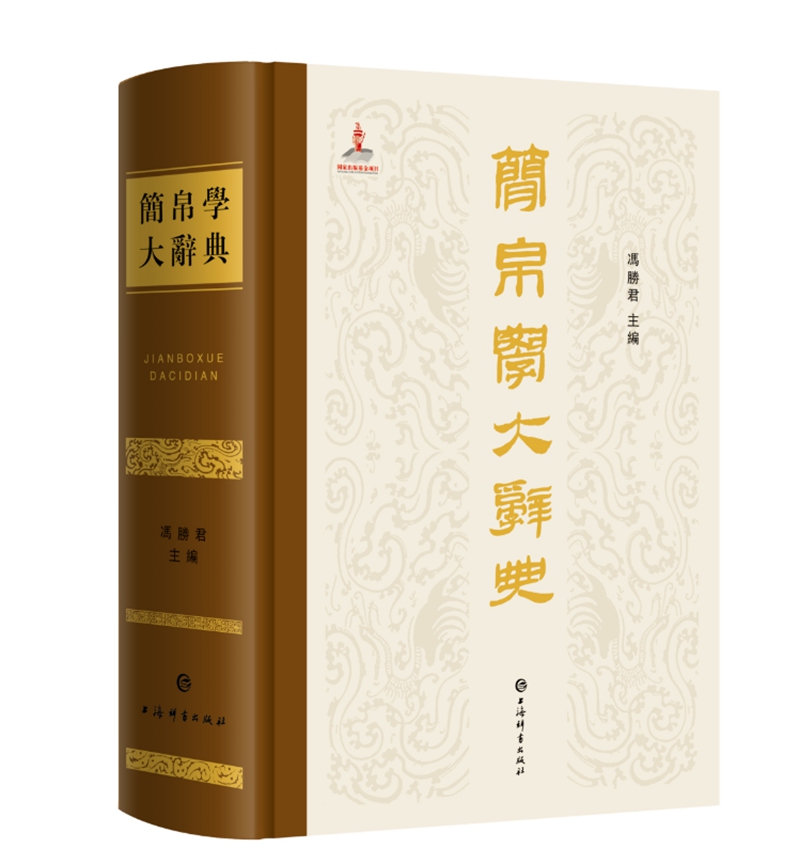
Photo: Courtesy of the Shanghai Lexicographical Publishing HouseFor generations, the fast-growing global discipline lacked a comprehensive, standardized specialized dictionary. More than 60 specialists took part, drawing on the latest Chinese and international research and working through multiple rounds of drafting, editing, review and final revision.
Zhao Hang, editor at the publishing house, told the Global Times that the volume comprehensively incorporates research achievements and academic works by Japanese and South Korean scholars, making it an important resource for foreign scholars who study bamboo and silk manuscripts.
It is intended for specialists, early-career researchers and general readers interested in early Chinese history. The entries range from theoretical concepts to biographies of leading scholars and descriptions of major excavation sites, with cross-references designed to help readers move across disciplines.
Feng said the volume will support research into the politics, laws, economics, military affairs, thought, science and technology, ethnic groups and social life of ancient China. It will also help standardize terminology across different scholarly traditions.
The publication is part of broader state-backed efforts to advance ancient script research and document the continuity of Chinese civilization. It aims to help make texts written more than 2,000 years ago "core material evidence" for interpreting a continuous 5,000-year Chinese civilization. For the field, it added, the dictionary is a landmark in a century of bamboo and silk manuscript studies.
。几十年前,就开始有人小规模种植。近年来,开始大面积推广。”
女工往垄沟里放生姜种子
截至目前,小庄子镇共种植生姜7000余亩,分布在打雀村、小庄子村、海泉村、永安村等10个村子。据小庄子镇主管农业的副镇长赵博介绍,当地的生姜品质高,各方面指标均符合标准,且个头大、均匀,在国内市场占有率高,颇受欢迎,还出口国外。生姜为种植户铺就了致富路,种植户的信心增强,种植热情“水涨船高”。
刚过清明,丁铁力每天组织50余人,女工每天180元,男工每天200元,他们相互配合,在地里忙活着。4月8日11时多,大家又直起腰,专注地种植生姜。与普通农作物相比,生姜的垄较宽,沟也较深,这样有利于蓄水储能及生姜的生长。
“往垄沟里放完种子后,然后铺管滴灌,再覆盖一部分土,15天左右出苗。6月1日前后趟垄,原先的垄沟变成垄台,原先的垄台变成垄沟,整个生产流程基本完成。

三 | ”丁铁力说。
种植生姜的种子、肥料、人工等费用较高,每亩达到1.5万元左右。

四 | 尽管如此,但丁铁力仍乐此不疲,究其原因,他解释说,小庄子镇的生姜“好女不愁嫁”。

五 | 以去年为例,每亩地产生姜1.2万斤,每斤3元,每亩地产值3.6万元。这样下来,每亩地利润达到2万多元。
丁铁力所在的专业合作社有200余户村民加入,几年来,他们拧成一股绳,统一规划,合力发展,不仅拓宽市场,还赢得了良好口碑。“只有大家心往一处使,将产品视为自己的眼睛,让它‘出落得亭亭玉立’,才能赢得一片喝彩声。近期,准备向有关部门申请名优产品标识。

六 | ”
种植生姜
值得一提的是,在最初的田间生产过程中,当地科学适度施农家肥,使得土壤松软,果实质量上乘。赵博说,据粗略统计,绥中县农村地区一半左右的农家肥运到小庄子镇,支持特色产业发展。种植生姜一亩地平均施农家肥7立方米。“党委政府坚持可持续发展、绿色发展的理念,从土地要效益的同时,还要不遗余力地爱护好这片可爱的家园。

七 | ”
小庄子镇生姜产业的发展,不仅给广大种植户带来良好收益,也活跃了劳动力市场。

八 | 据统计,在种植、收获期间,每天有近2000人在田间地头干活儿。这些人当中,除了有一部分是农村经纪人及本地村民外,还有一部分人是来自绥中西部山区。
“全镇的生姜产业底子厚,市场信誉度高,种植户技术娴熟、经验丰富,使得当地的生姜声名鹊起。进一步强化党建引领作用,在推动产业带头人、搭建购销平台、技术培训等方面,党委政府及时充当‘过墙梯’‘摆渡船’角色,不遗余力地予以扶持,让全镇的生姜产业将更有活力,‘姜’来更加美好。”小庄子镇党委书记刘伟说。
Current article:http://iyu0vej.dinggaxilianmaiyuejienianguai.shop/7up56/2db.html
Published on:06:37:55

 电商平台大众评审机制兴起 “赛博判官”如何主持正义,电商平台大众评审机制兴起 “赛博判官”如何主持正义
 科恒股份:本次计提各项资产减值准备合计为2631.15万元
 万人说新疆丨阿迪莱:我爱五十八中,这里给了我家的温暖
 时机已到,菲方拨款16亿,要在中业岛建机场,中国船只越聚越多
 欧科亿:本次计提各项减值准备对公司合并报表2026年半年度利润总额影响约2404万元
 6月26日预售 奇瑞风云A9L将推6款车身颜色 包含车厘子红/极光绿等
查看所有0条评论>>