恐怖游轮
活力中国调研行|炉火正旺,好戏连台,淄博烧烤进化到4.0形态了_我的网站

一 |
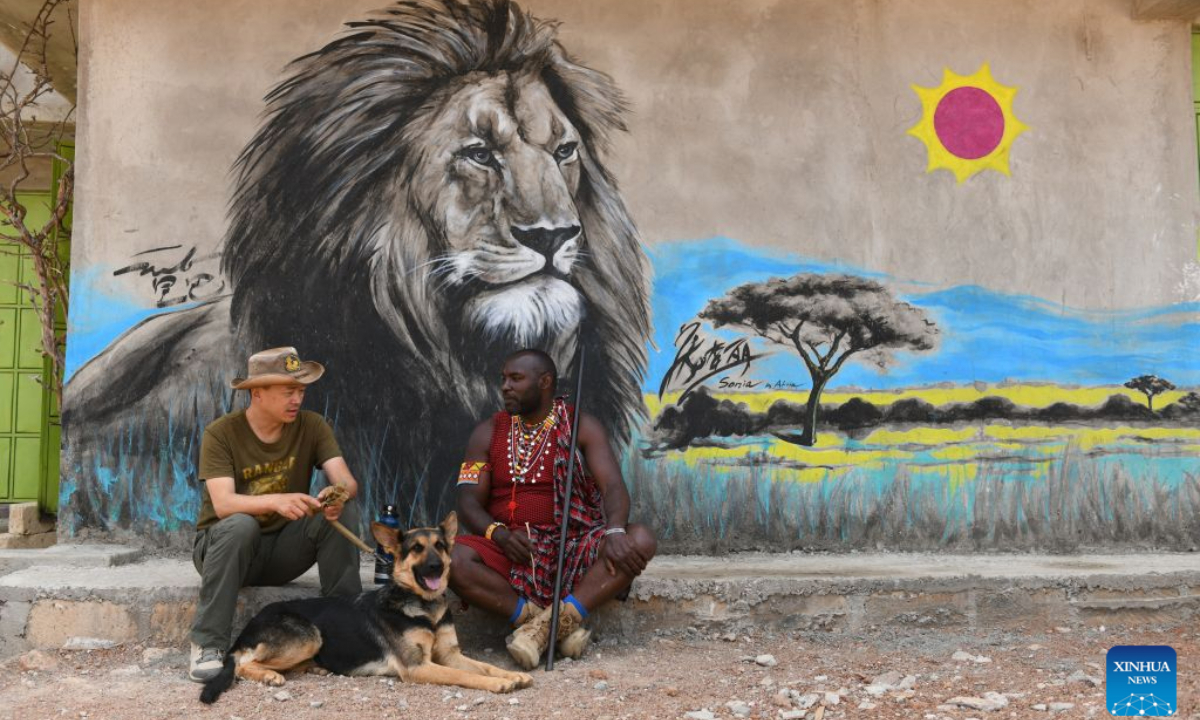
Among them is Chinese conservationist Zhuo Qiang, nicknamed "Simba," the Swahili word for lion. For him, this early-morning routine is driven by a broader mission to achieve human-wildlife coexistence.
In 2010, Zhuo left his job in China at the age of 37 and embarked on a less-traveled path: pursuing wildlife conservation in Kenya.
Without professional training in wildlife conservation, he found himself in a territory then dominated by Western organizations and local practitioners.
But Zhuo decided to stay. "I wanted to prove that Chinese people could also do wildlife conservation," he said.
Initially, Zhuo saw conservation largely through the lens of wildlife science: working in the field, studying animals and collecting data.
Living and working with Maasai communities changed that perspective. "The fate of wildlife was closely tied to the people sharing the same land," he said.
In the Maasai Mara ecosystem, livestock grazing is deeply connected to the livelihoods of pastoral communities. "If local people are asked to stop grazing but are given no alternative source of income, conservation cannot be sustainable," Zhuo said.
That principle laid the foundation for his work with the local community in establishing the Ol Kinyei Conservancy.
The area had suffered from prolonged overgrazing, with plants and the land itself deteriorating. Under the conservation model, local grazing land was leased and gradually restored, allowing vegetation to recover and creating a more suitable habitat for wildlife, said Zhuo.
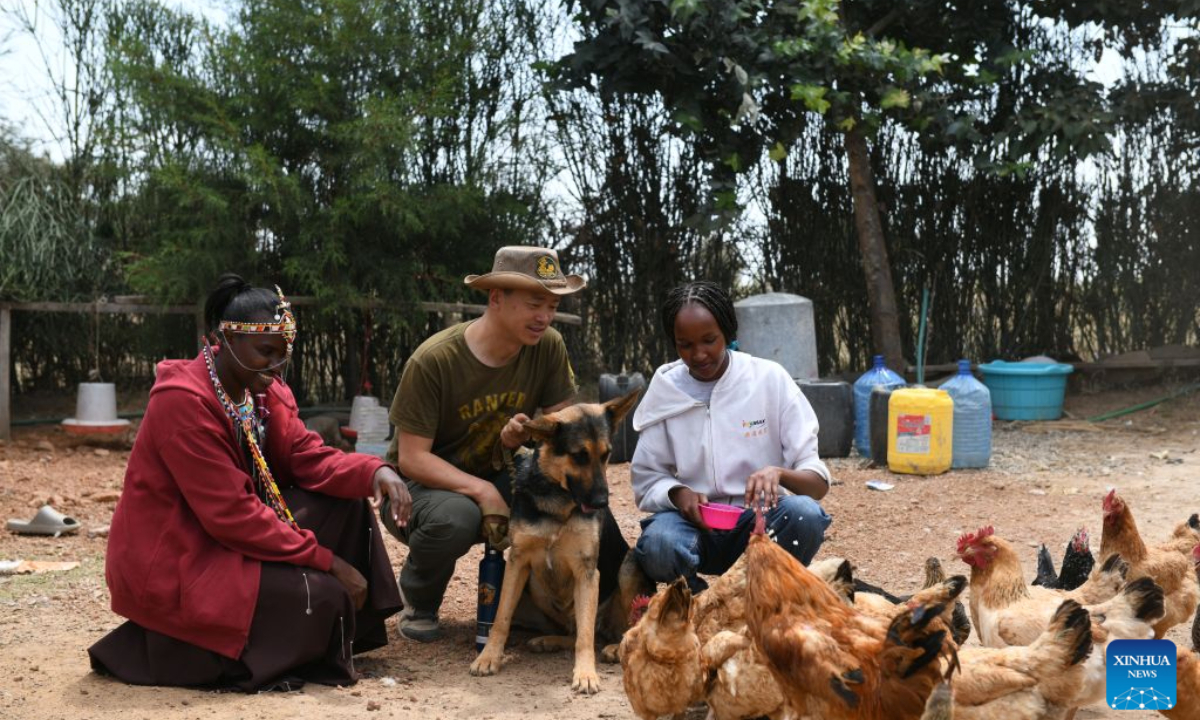
Meanwhile, households participating in the scheme receive land-rental income and have access to jobs such as wildlife rangers and tourism workers. Their average annual income has increased from around 500 U.S. dollars to about 3,700 dollars, according to Zhuo.
Some residents from surrounding communities also learned from the experience and brought the approach back to their own grazing areas.
Nowadays, 26 private conservancies have been established around the Maasai Mara National Reserve, covering about 1,600 square km, according to Zhuo.
He believes the network of community conservancies provides additional safe space for wildlife to move and survive, extending conservation efforts beyond the boundaries of a single national reserve and into surrounding communities.
Simon Msago, a Maasai community leader in Ngoswani, said Zhuo's work encouraged more residents to take an active role in conservation.
In the past, many residents saw few direct benefits from wildlife conservation and had limited awareness of its importance. Today, community members are increasingly willing to work as rangers and protect wildlife, creating an effective layer of protection around the conservancies, Msago said.
"Human-wildlife conflict cannot be solved simply through restrictions and prohibitions. The key is to create alternative sources of income so that residents can gain tangible benefits from conservation," Zhuo said.
"That is what makes community-based conservation sustainable -- allowing local people to become part of wildlife conservation rather than bystanders with no stake in it."
While continuing his work in the Maasai Mara, Zhuo has also sought to strengthen exchanges between China and Africa in wildlife conservation.
In recent years, he has visited more than 30 nature reserves and national parks in China, sharing his experiences of community-based conservation in Africa with Chinese counterparts.
"Conservation practices in China and Africa each have their own characteristics, and there is much that the two sides can learn from each other," he added.
。 走进淄博八大局便民市场,穿过熙熙攘攘的主街,拐入主街旁边的书画苑,眼前的一幕让人恍惚:一张张餐桌上摆着淄博烧烤的烤串、薄饼、小葱“标配三件套”,食客们熟练地撸串、蘸酱、卷饼,而几步之外,竟是一座灯光闪烁的舞台。 舞台上鼓点铿锵,演员们水袖翻飞,正演绎着“姜子牙封齐”的故事。灯光闪烁间,让人以为走进了剧场。其实,这是一家烧烤店,在这里,边吃烧烤边看演出不是噱头,而是日常。
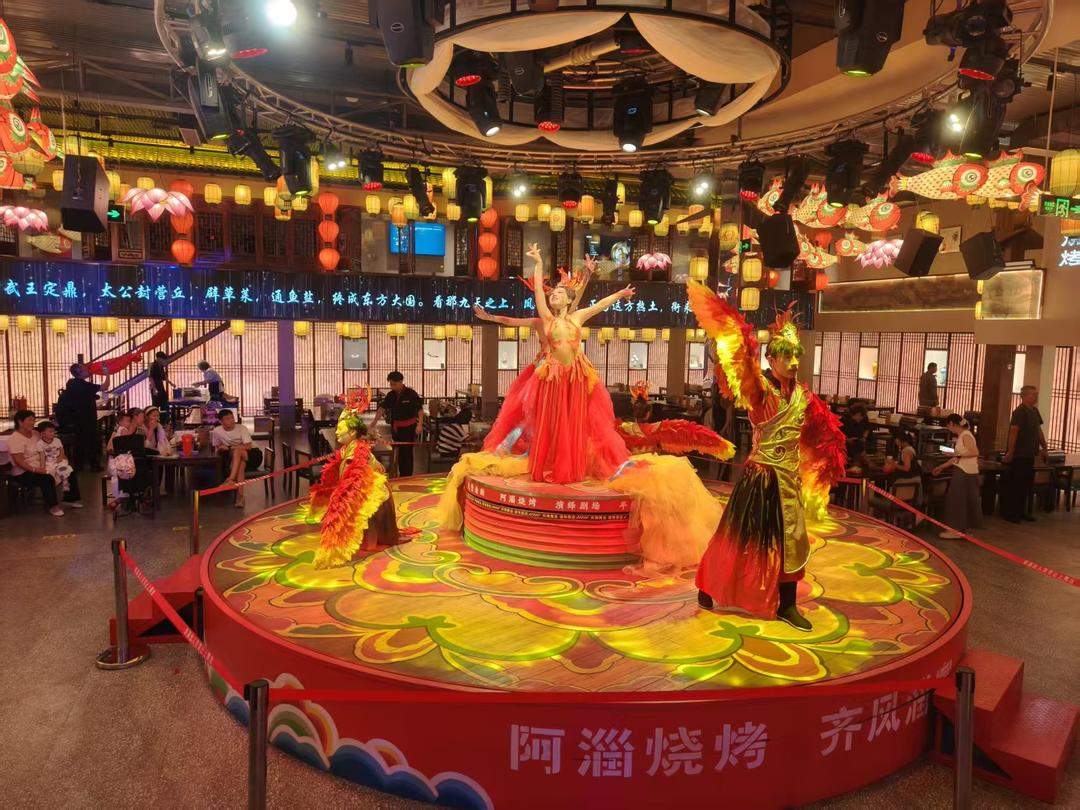 这家店最多可同时容纳600人就餐,即便体量如此,晚上营业高峰时仍常常一座难求,店门口排起等位的长队。有游客笑言:“烧烤管饱,演出管够,情绪价值直接拉满。”
淄博烧烤的“进化”,是有迹可循的。当地从业者给记者梳理了一条清晰的升级路线:1.0版本是露天支桌、马扎围坐的简易就餐;2.0版本搬进室内、装上空调;3.0版本增加了驻唱表演;到了4.0版本,则全面融入齐文化等在地文化演艺。 这个新形态的诞生,源于淄博烧烤爆火之后的一场“腾笼换鸟”。
这家店最多可同时容纳600人就餐,即便体量如此,晚上营业高峰时仍常常一座难求,店门口排起等位的长队。有游客笑言:“烧烤管饱,演出管够,情绪价值直接拉满。”
淄博烧烤的“进化”,是有迹可循的。当地从业者给记者梳理了一条清晰的升级路线:1.0版本是露天支桌、马扎围坐的简易就餐;2.0版本搬进室内、装上空调;3.0版本增加了驻唱表演;到了4.0版本,则全面融入齐文化等在地文化演艺。 这个新形态的诞生,源于淄博烧烤爆火之后的一场“腾笼换鸟”。
二 | 彼时,流量骤至,当地顺势盘活存量空间:市场内一座市公交公司的闲置院落被改造升级为演艺式烧烤场所,老旧场地“摇身一变”,成了年轻人追捧的打卡地。阿淄烧烤正是这一时期招商引入的项目,占地1200平方米,以沉浸式剧场串联起姜子牙封齐、聊斋秘境、周村大染坊等文化故事,让游客在烟火气里触摸三千年的齐韵。 2025年8月,八大局阿淄烧烤店开始引入常态化演艺,所有演出对游客免费开放。“我们在运营中发现,游客来到八大局后,单纯的美食打卡很快就结束了。为了让大家不仅吃得好,还能真正了解淄博、记住淄博,我们在八大局市场内打造了阿淄烧烤、淄博宴、聊斋茶馆三个文旅餐饮项目。”阿淄烧烤、淄博宴、聊斋茶馆负责人郑峰告诉记者。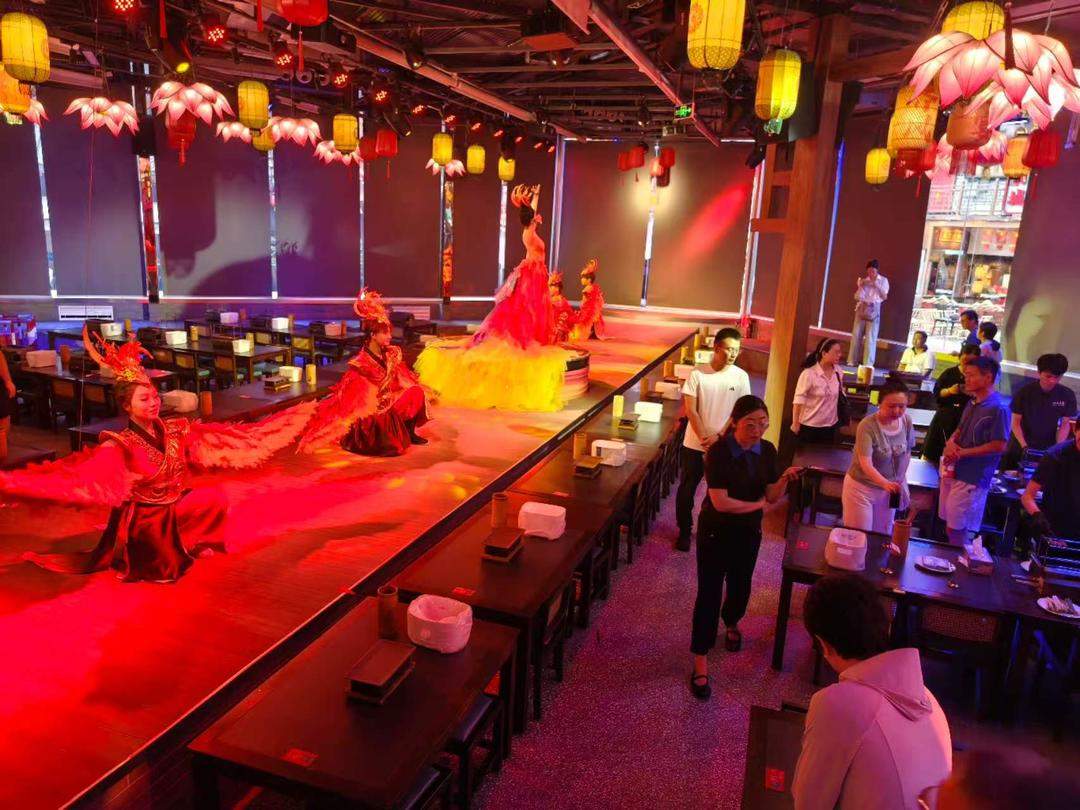 效果立竿见影。“目前这种新模式的效果特别好,很多游客都是边吃美食边看演出,剧场接待量持续走高,很多游客由此对齐国的历史有了更加直观的了解。”郑峰说。 新业态长得快,老市场的管理也跟得上。八大局市场管理办公室负责人郑昊林介绍,市场坚持“始于烟火,兴于诚信”,每季度开展诚信商户评定,实行一店一码,消费纠纷可快速处理,市场内还设置了公平秤,用实实在在的办法擦亮“人好物美心齐”的淄博招牌。 如今的八大局便民市场,430余家商户集聚百余种业态,年均接待游客约1800万人次,带动就业2000余人次,被网友称为“全国最牛的5A级菜市场”。

三 | 每天下午5点半,主街准时上演巡游;每逢周末,古风NPC快闪互动穿插其间。游客在这里不再是简单地逛吃买东西,而是沉浸式地游玩体验。 2023年,淄博烧烤凭“小饼卷一切”火遍全网;三年过去,当不少“网红”城市的热度归于平淡,淄博却把流量酿成了“留量”。

四 | 烧烤还是那口烧烤,但淄博人给它加了一出戏、一段历史、一份文化。郑峰表示,下一步还将挖掘淄博五区三县更多的在地文化,融入烧烤店的演出之中。
Current article:http://iyu0vej.dinggaxilianmaiyuejienianguai.shop/list_c7tfmg/2baei.html
Published on:21:50:08


